 Chef Antonio
Master the art of cooking a perfect steak every time. From selecting the right cut to achieving your ideal temperature, this guide covers it all.
25 min
Time Required
$15 – $40
Estimated Cost
7
Steps
low
Safety
What You'll Need
Tools
Materials
Step 1 of 7
Choose Your Cut
Select a steak at least 1 inch thick. Ribeye offers the best flavor with rich marbling. NY strip is leaner but still flavorful. Filet mignon is the most tender. Look for good marbling — the white streaks of fat throughout the meat.
Tip
Ask your butcher for a steak that's at least 1.5 inches thick for the best results.
Step 2 of 7
Temper and Season
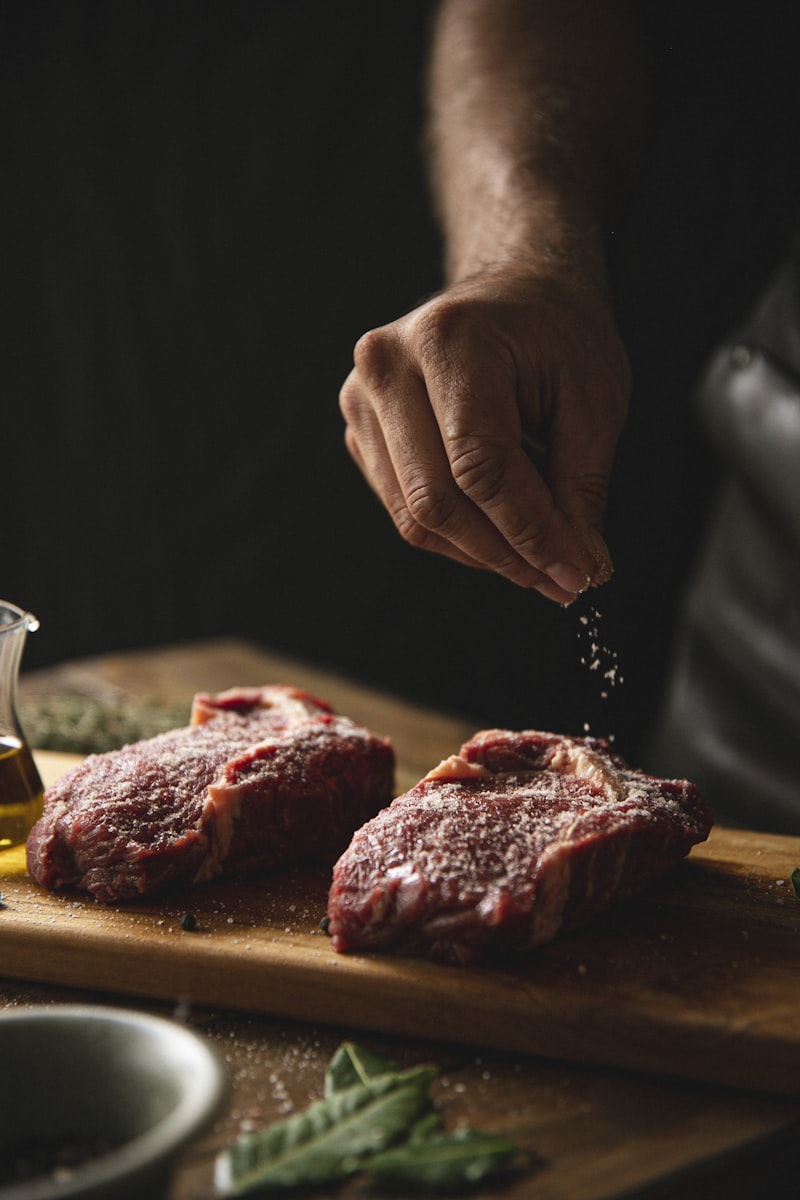
Remove the steak from the refrigerator 30-45 minutes before cooking. Pat dry with paper towels — moisture is the enemy of a good sear. Season generously with kosher salt and freshly cracked black pepper on all sides.
Pro Tip
For the best crust, salt your steak and leave it uncovered in the fridge overnight (dry brining).
Common Mistake
Cooking a cold steak straight from the fridge leads to uneven cooking — a gray band outside and cold center.
Step 3 of 7
Preheat Your Pan

Place a cast iron skillet over high heat for 5 minutes until it's smoking hot. Alternatively, preheat your grill to high (450-500°F). A screaming hot surface is essential for the Maillard reaction — the chemical process that creates that delicious brown crust.
Warning
Open windows and turn on your exhaust fan. Proper searing creates smoke.
Step 4 of 7
Sear the Steak
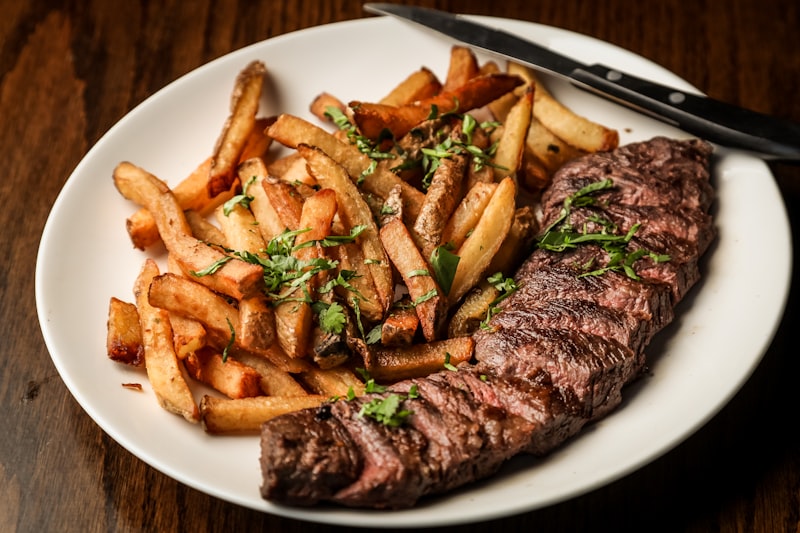
Add a thin layer of high-smoke-point oil (avocado or grapeseed). Place the steak in the pan away from you. Don't touch it for 3-4 minutes. You'll know it's ready to flip when it releases easily from the pan. Flip once and sear the other side for 3-4 minutes.
Tip
Use tongs, not a fork. Piercing the steak releases precious juices.
Step 5 of 7
Butter Baste
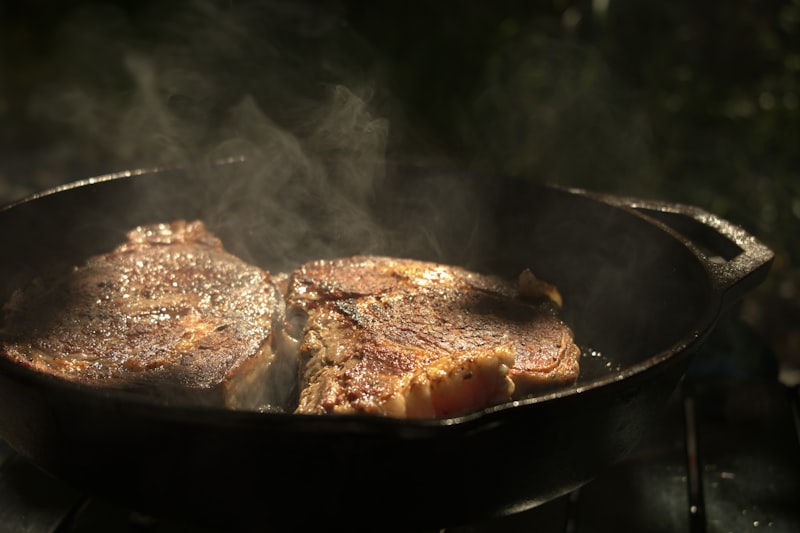
Add 2 tablespoons of butter, crushed garlic cloves, and fresh herbs to the pan. Tilt the pan and spoon the foaming butter over the steak continuously for 1-2 minutes. This adds incredible flavor and helps achieve even browning.
Pro Tip
The butter should be foaming and golden, not burning. Reduce heat slightly if it's smoking too much.
Step 6 of 7
Check Temperature
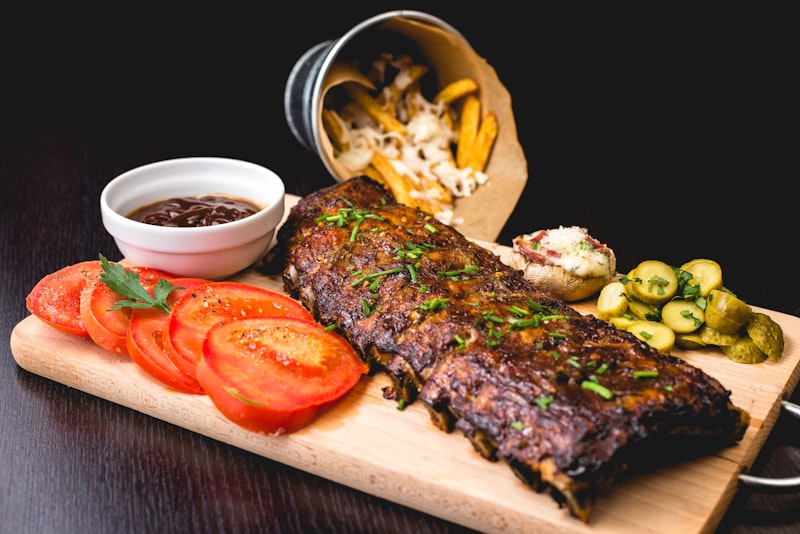
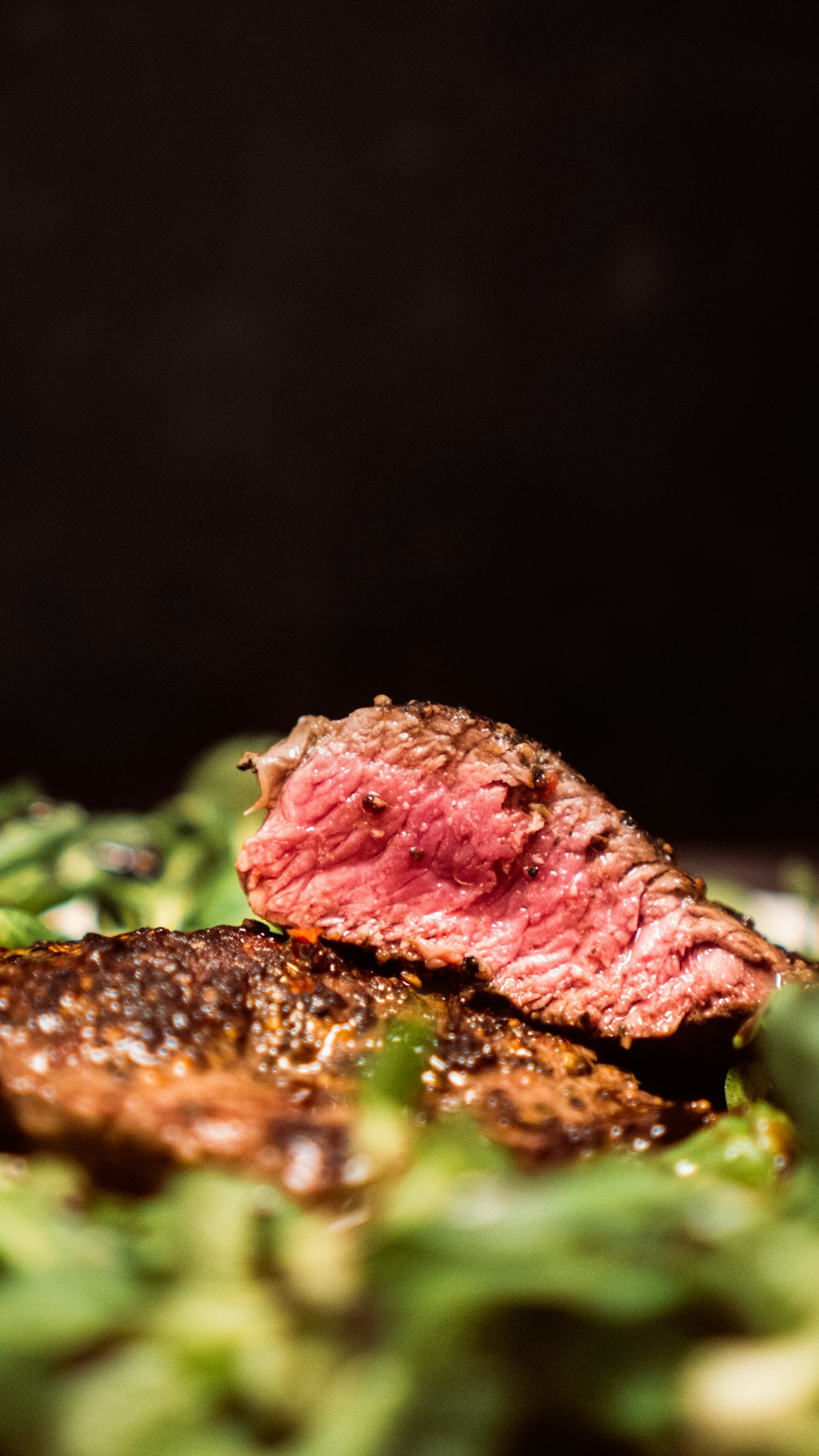
Insert a meat thermometer into the thickest part. Remove from heat at: Rare 120°F, Medium-Rare 130°F, Medium 140°F, Medium-Well 150°F, Well-Done 160°F. Remember the temperature will rise 5°F during resting.
Tip
Medium-rare (130°F) is widely considered the ideal temperature for a well-marbled steak.
Step 7 of 7
Rest and Serve
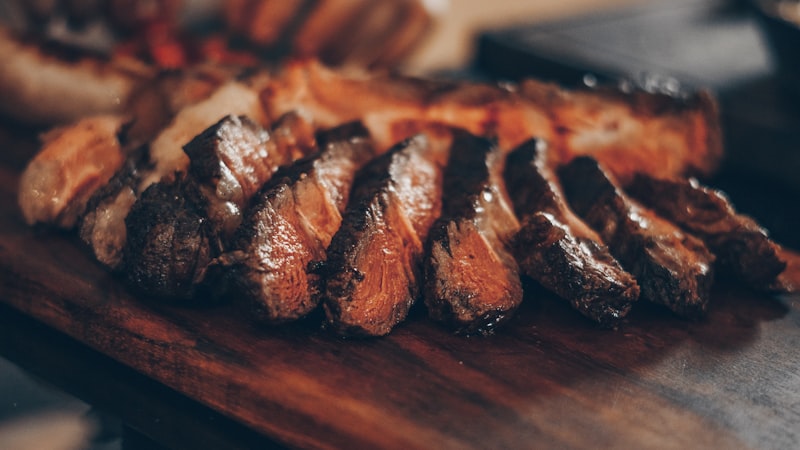
Transfer the steak to a cutting board and let it rest for 5-10 minutes. This allows the juices to redistribute throughout the meat. Slice against the grain if desired. Finish with a pinch of flaky sea salt.
Warning
Skipping the rest period causes all the juices to run out when you cut, leaving a dry steak.